Feedstock programs
Collection planning, classification and sample preparation
 Discuss a project ↗
Circular solutions
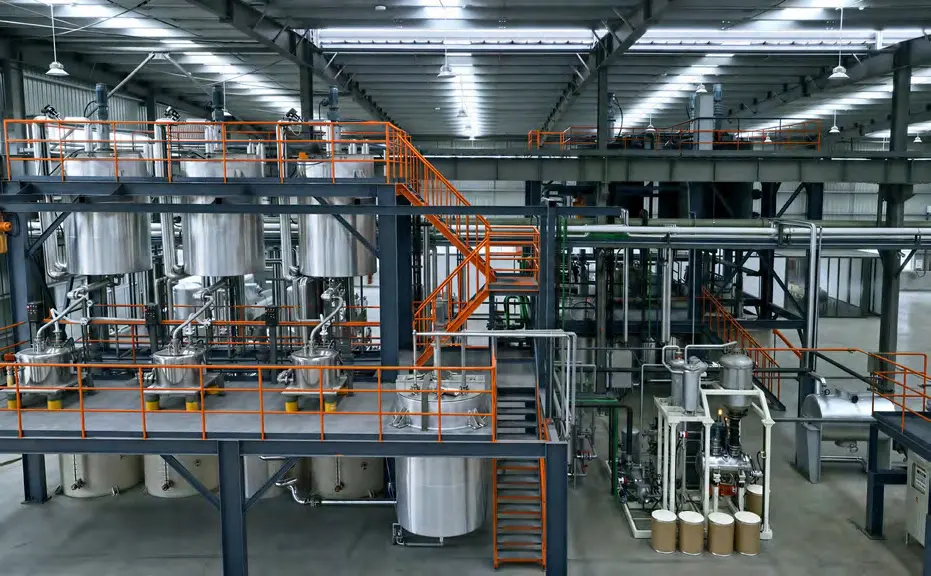
Process definition, equipment integration and pilot programmes for battery pretreatment and material recovery. Start with the feed chemistry, target product and evidence needed for your next decision.
Core EQM circular business
EQM develops the operating route from spent-saggar collection and preparation to recovered-material qualification and industrial reuse.
Collection planning, classification and sample preparation
Crushing, screening, separation and dust-control systems
Composition, particle and application testing for recovered material
Local partners, logistics, end users and industrial project coordination
Source mapping, condition grading and material identification
→Contaminant removal, cleaning and controlled preparation
→Size reduction designed around ceramic behaviour
→Particle classification and foreign-material removal
→Composition, particle and application testing
→Recovered-material specification and reuse pathway
Battery recycling solutions
EQM can support process definition, equipment packages and line integration from incoming batteries to black mass and recovered battery-material products.
Safe preparation and concentration of active material
Feedstock acceptance
→Electrical & thermal safety
→Liberate material fractions
→Metals · plastics · active material
→Conditioned intermediate
Leaching, purification and selective product recovery
Transfer target metals to solution
→Residue separation & washing
→Purify the pregnant solution
→Precipitation · extraction · crystallisation
→Ni · Co · Mn · Li products
Define the engagement
Spent-saggar reuse and battery-metal recovery are distinct workstreams. Ceramic reuse depends on service history, contamination and a receiving application; a battery-recovery route depends on chemistry, condition, safety and the target product. Neither route should be selected from throughput alone.
| Workstream | Inputs to establish | Proposed output to agree |
|---|---|---|
| Spent saggar | Source lot, ceramic composition, service history, attached material, volume and intended reuse | Sampling and preparation basis, characterisation plan and application-specific qualification gates |
| Batteries or black mass | Chemistry and format mix, charge/condition where relevant, assays, moisture and variability | Feed-acceptance basis, route options and mechanical-to-wet-plant interface specification |
| Products and residues | Target buyer specification, analytical methods, water/off-gas/residue boundaries and location | Test questions, product-qualification basis and environmental workstream responsibilities |
| Project integration | Capacity basis, utilities, existing equipment, site interfaces and project stage | Equipment scope, interface register and pilot/performance-test basis to agree |
These are scoping guides, not an included-scope checklist or a performance guarantee. Deliverables, responsibilities, exclusions, testing and acceptance criteria must be agreed for the specific engagement.
Qualify spent saggar before selecting a reuse route ↗
Compare battery pretreatment and hydrometallurgical recovery routes ↗
No. Feed variability, sampling, analytical methods and the accepted product boundary must be defined. Literature values and catalogue capacities are not project guarantees.
No. Material classification, permits, transport and site obligations require a separate jurisdiction-specific review. Engineering feasibility does not establish legal shipment or operating approval.
Project capabilities
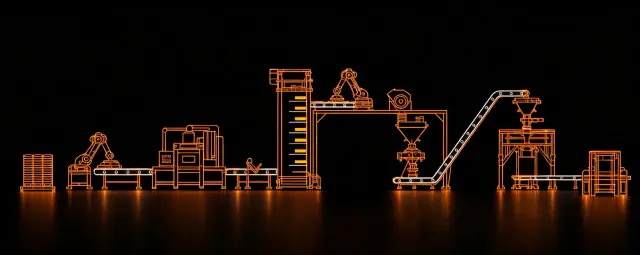
EQM connects process definition, equipment, evidence and project development—so each decision is supported by a clear technical output.
A defined route ready for engineering decisions.
Unit operations connected into a controllable production system.
Evidence to qualify feedstock, recovery route and products.
Technical and commercial workstreams aligned for deployment.
Start a circular project
We can structure the feedstock questions, sample plan, recovery route, equipment scope and next project decision.
Discuss the opportunity ↗